
Reformer pilates through menopause: strength when it matters most
If there is one time in life when strength training moves from nice-to-have to genuinely important, it is the years around menopause. The reformer happens to be one of the kindest places to do it.
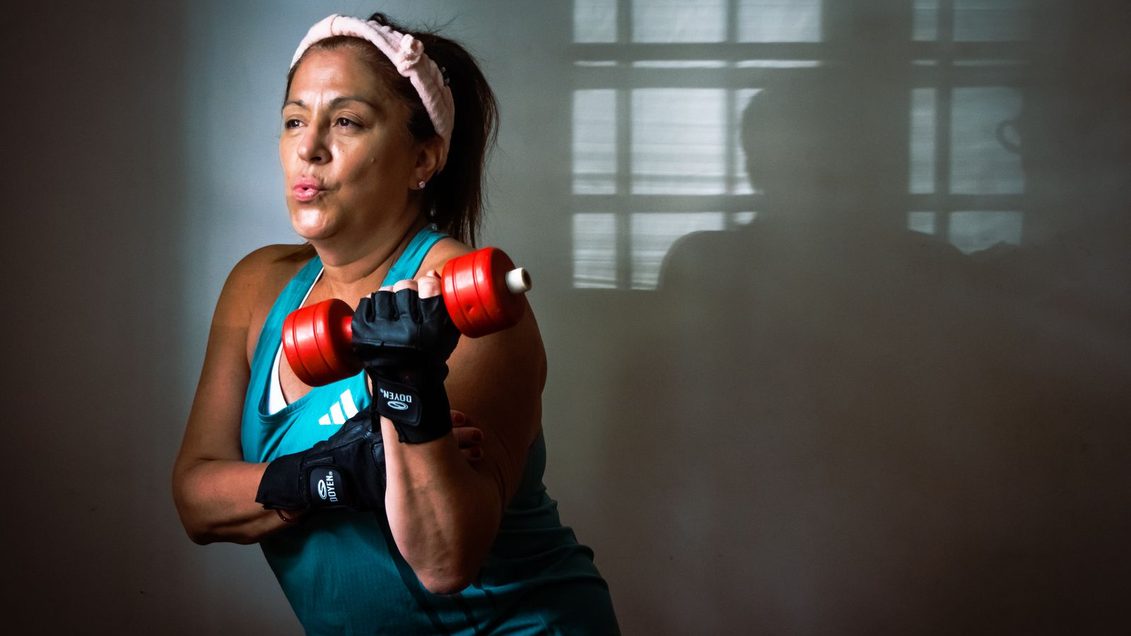
What changes, honestly
As oestrogen falls, the body holds on to muscle and bone less easily. Many women notice strength fading faster, joints complaining more, sleep getting lighter and body composition shifting even when nothing else changed. None of this is a personal failing. It is biology, and it responds remarkably well to one intervention above all: resistance training.
Why resistance work is the headline answer
Muscle you train, you keep. Health bodies around the world now recommend regular resistance training through midlife precisely because it counters muscle loss, supports bone, protects joints and helps with the metabolic shifts of these years. The question is not whether to do resistance training, it is finding a version you will actually keep doing, on the good weeks and the exhausted ones.
Why the reformer, specifically
- Real load, zero impact: springs build strength without asking sore joints to absorb jumping or pounding.
- Endlessly adjustable: on a flared-up day the coach lightens the springs and the session still counts. Consistency survives the hard weeks.
- Core and pelvic floor aware: pilates was practically designed for the deep trunk system that midlife asks more of.
- Balance and control: the standing and kneeling work quietly trains the stability that protects against falls later, which is where bone health really gets decided.
It shares this joint-friendliness with the reasons we recommend the reformer after 50 generally, but the menopause years are where starting earliest pays most.
The parts nobody puts on a poster
Ask women who train through this stage what changed first and the answers are rarely about biceps: sleeping deeper on training days, a shorter fuse getting longer, feeling at home in a changing body. An hour of focused, coached movement in a small group is as much for the head as the hips.
Starting well
If you are managing osteoporosis, prolapse or anything else specific, talk to your doctor or physio first, then tell your coach, because springs and exercises can be adapted for nearly everything. At Casa Reformer in Nerja our groups are eight people at most, so that conversation actually happens. We open after the summer of 2026, and founding members book first.
Be first through the door
Free to join, no strings attached. Just first access, opening offers and every update on the way to opening day.